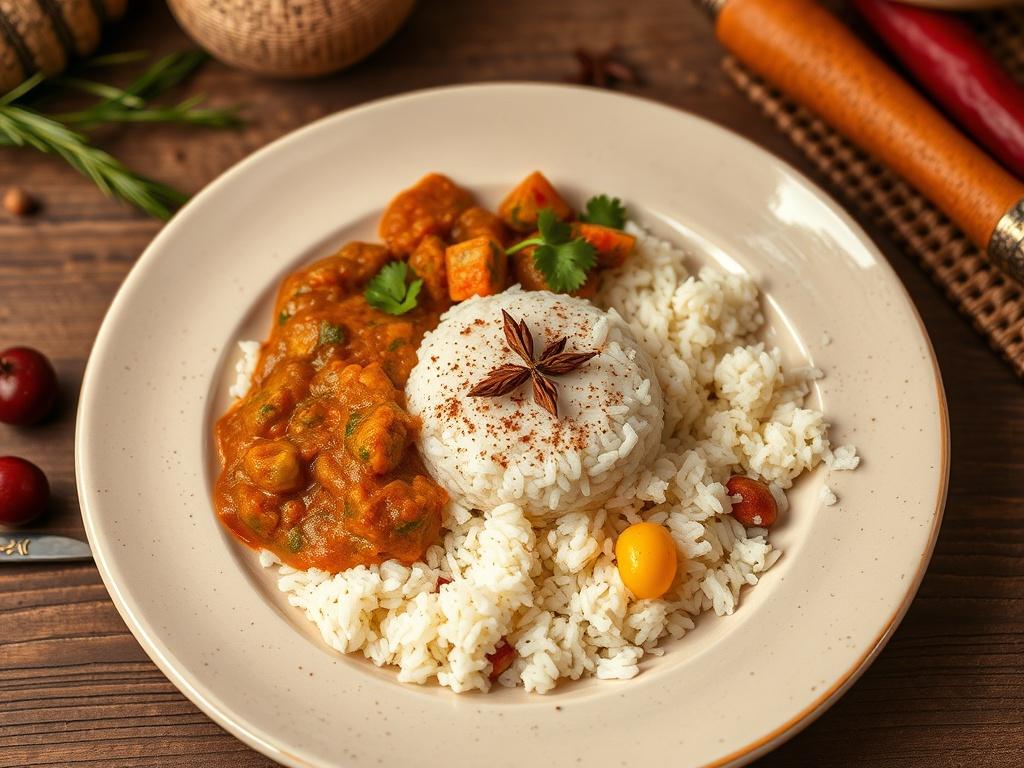
In recent years, there has been a significant surge in the recognition and appreciation of indigenous African food products, sparking a wave of innovation that blends traditional practices with modern techniques. As chefs, food scientists, and entrepreneurs explore new ways to harness the rich culinary heritage of Africa, they are discovering immense potential for not only enhancing flavors but also creating sustainable food systems. This detailed article examines the innovative approaches being employed in the realm of indigenous African foods, shedding light on exciting new techniques that honor tradition while addressing contemporary consumer demands.
Modernizing traditional recipes is at the heart of this culinary renaissance, as it bridges the gap between heritage and contemporary tastes. By adapting age-old dishes to incorporate local ingredients and healthier cooking methods, innovators are capturing a global audience eager for authentic yet accessible experiences. Additionally, this blog post will delve into the market opportunities that arise from elevating indigenous food products, showcasing their health benefits and potential to thrive in today's health-conscious environment. Join us on this journey to explore the rich tapestry of African culinary innovation, where tradition meets modernity for a vibrant and sustainable future.
Exploring new techniques in indigenous African food innovation
Innovation in indigenous African food products is gaining momentum as chefs and food entrepreneurs embrace new techniques that elevate traditional culinary practices. For instance, the adoption of fermentation methods, not only preserves food but also enhances flavors, encouraging the resurgence of ancient preservation techniques. Technologies such as solar drying and vacuum sealing are also being utilized to prolong the shelf life of indigenous ingredients, making them accessible to broader markets. By combining traditional knowledge with modern scientific methods, innovators are crafting unique food products that emphasize both quality and sustainability, creating a fusion of the old and new that respects the environment and local cultures.
Moreover, innovations like vertical farming and hydroponics are revolutionizing the cultivation of indigenous crops, making it easier for communities to produce native ingredients. These techniques allow for year-round production, ensuring that traditional staples can flourish even in adverse climatic conditions. Farmers and startups are experimenting with nutrient-rich indigenous grains, such as millet and teff, incorporating them into natural health products and superfoods. This resurgence in innovative agricultural practices not only supports food security but also empowers local farmers to tap into the global health food market, showcasing the versatility and nutritional benefits of indigenous African food products on an international stage.
Modernizing traditional recipes: Bridging heritage and contemporary tastes
Modernizing traditional recipes offers a unique opportunity to celebrate indigenous African food while making it more accessible and appealing to a global audience. Chefs and food entrepreneurs are creatively reinterpreting age-old dishes by incorporating trendy cooking techniques, fusion flavors, and diverse ingredients. For instance, traditional staples like injera from Ethiopia or fufu from West Africa are finding their way into gourmet restaurants worldwide, often featuring unique twists such as gluten-free alternatives or plant-based adaptations. This process not only honors the rich culinary heritage but also invites a broader demographic to engage with these flavorful dishes.
As modern consumers increasingly seek authentic yet innovative dining experiences, chefs are also focused on presentation and storytelling. By showcasing the cultural significance behind indigenous recipes, they create a sensory journey that enhances the dining experience. Events like pop-up dinners and food festivals highlight these modern adaptations, fostering an appreciation for African cuisine. Furthermore, social media plays a crucial role in amplifying these efforts, allowing chefs and food enthusiasts to connect and share their culinary adventures. Ultimately, the modernization of traditional recipes not only preserves heritage but also paves the way for the future of African cuisine, appealing to health-conscious and adventurous eaters alike.
Unlocking market opportunities and health benefits of indigenous African food products
The global interest in health and wellness has opened significant market opportunities for indigenous African food products. Consumers worldwide are becoming increasingly conscious of their dietary choices, seeking foods that are not only nutritious but also culturally authentic. Indigenous ingredients such as fonio, teff, and baobab are rich in vital nutrients and offer unique flavors. As modern consumers look for alternatives to conventional processed foods, these indigenous products present a promising venture for entrepreneurs and farmers alike. By highlighting their health benefits, such as high fiber content and antioxidant properties, marketers can attract a broader audience eager to try these nutritious options.
Moreover, the resurgence of interest in indigenous food products contributes to the preservation of cultural heritage and promotes sustainable agriculture. By supporting local farmers and traditional farming practices, communities can cultivate these valuable crops while enriching the food landscape. The growing trend of incorporating indigenous foods into diets not only offers a competitive edge in the market but also fosters an appreciation for African culinary diversity. As health-conscious consumers prioritize sustainable and ethically sourced foods, the demand for indigenous African products continues to rise, paving the way for innovative startups and established companies to thrive.